A successful contents clearance protects what stays, confirms who can decide and leaves the home in an agreed condition.
Define the exact removal boundary
Begin room by room with keep, remove and unresolved lists. Personal records, keys, medicines and sentimental possessions should be outside collection areas. Estates, rentals and shared households can have different authority questions; a provider should receive clear authorised instructions rather than be asked to judge ownership or value. Record the exact rooms and cupboards included.
Plan assessment, protection and access
Plan access and destinations from the actual inventory. A basement, attic or storage locker can involve tight stairs, limited working space or facility rules. Donation depends on acceptance in the item’s real condition; recycling depends on the material and local route. Data-bearing electronics and restricted chemicals need separate decisions before they leave inside a mixed load.
Leave a documented next step
Define the finish as carefully as the collection. Cleared contents, swept floors, deep cleaning and repaired surfaces are different deliverables. Agree how extra items are approved, who resolves uncertain possessions and how exceptions are recorded. A final inventory and walkthrough provide a clearer handoff to cleaning, Replacing, Installing or Upgrading than an undefined statement that the house was cleared.
Apply the brief to the actual home
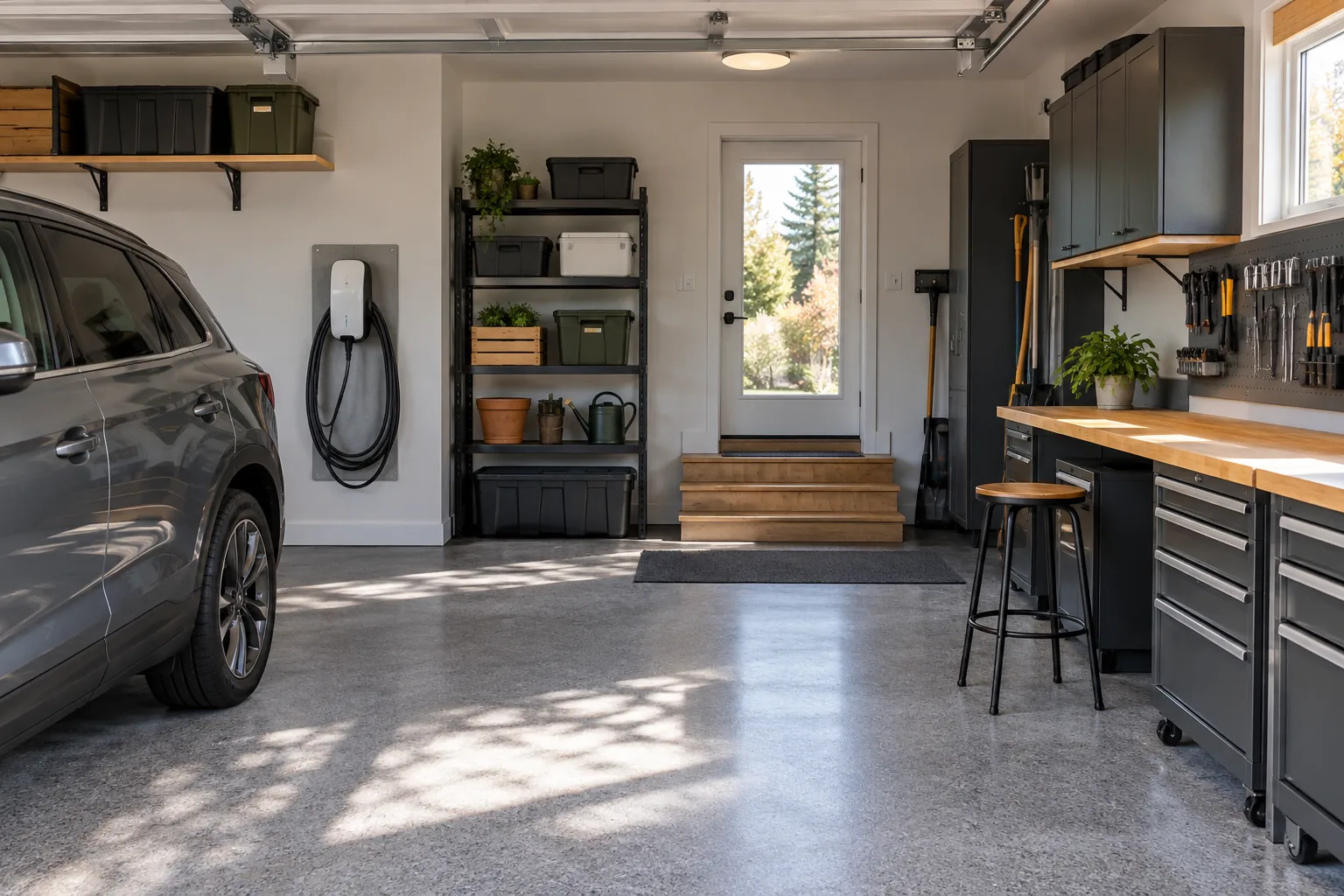
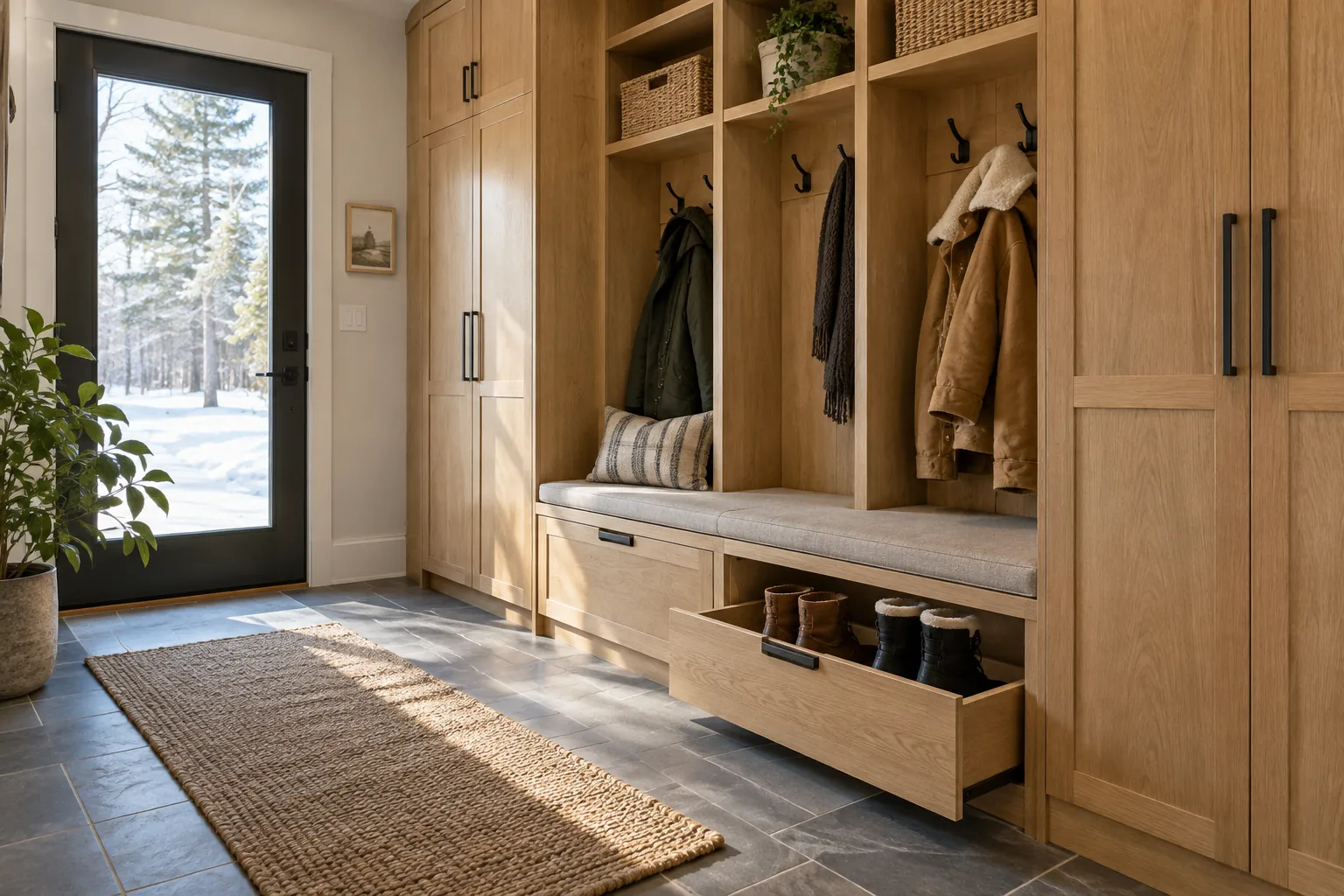
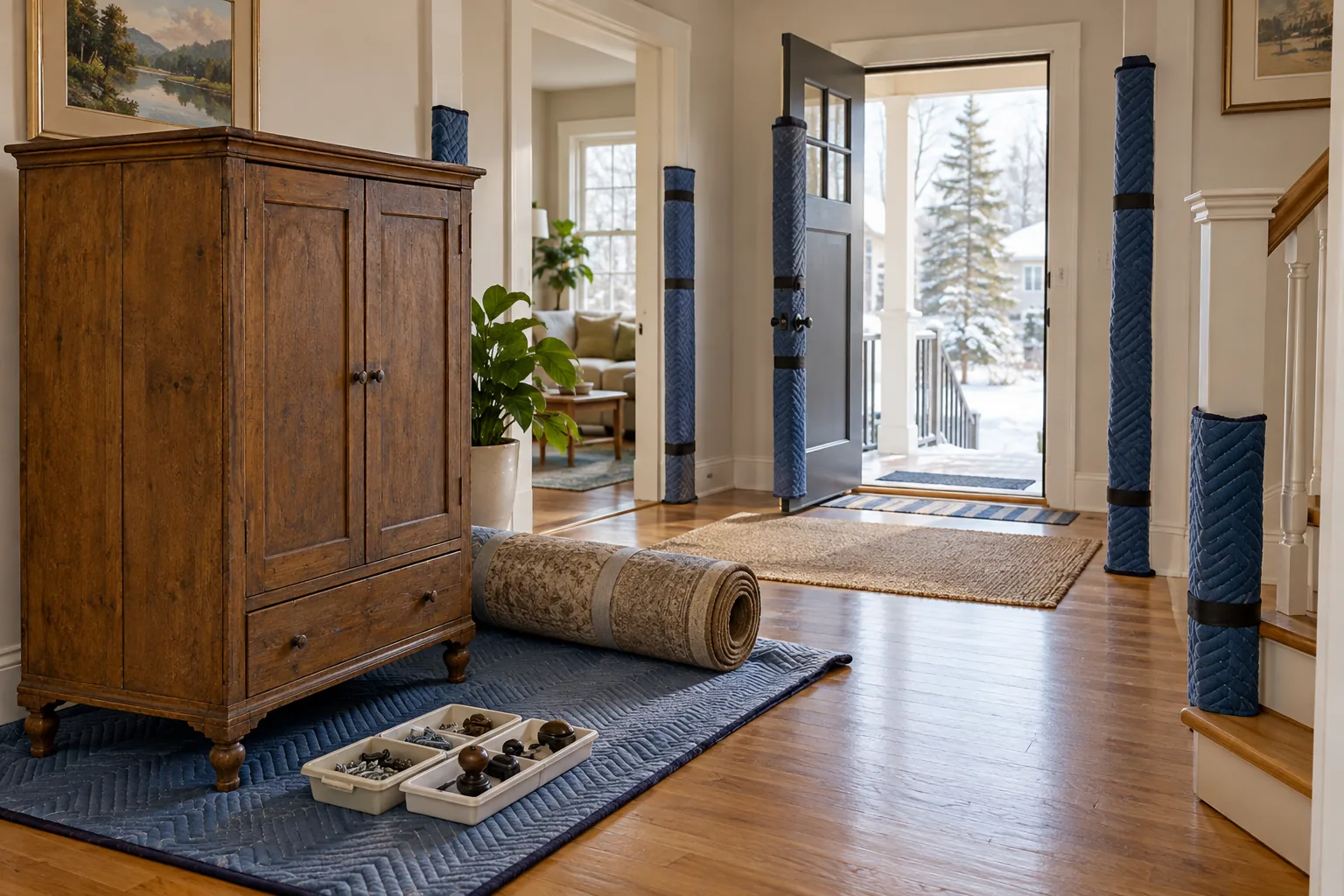
Use a labelled collection zone and a separate protected keep-zone where the property allows. The physical arrangement should reinforce the written decisions instead of relying on memory during a busy collection visit.
Details to bring into the conversation
- Do not discard unresolved possessions
- Do not imply valuation or ownership authority
- Separate data and restricted materials before collection