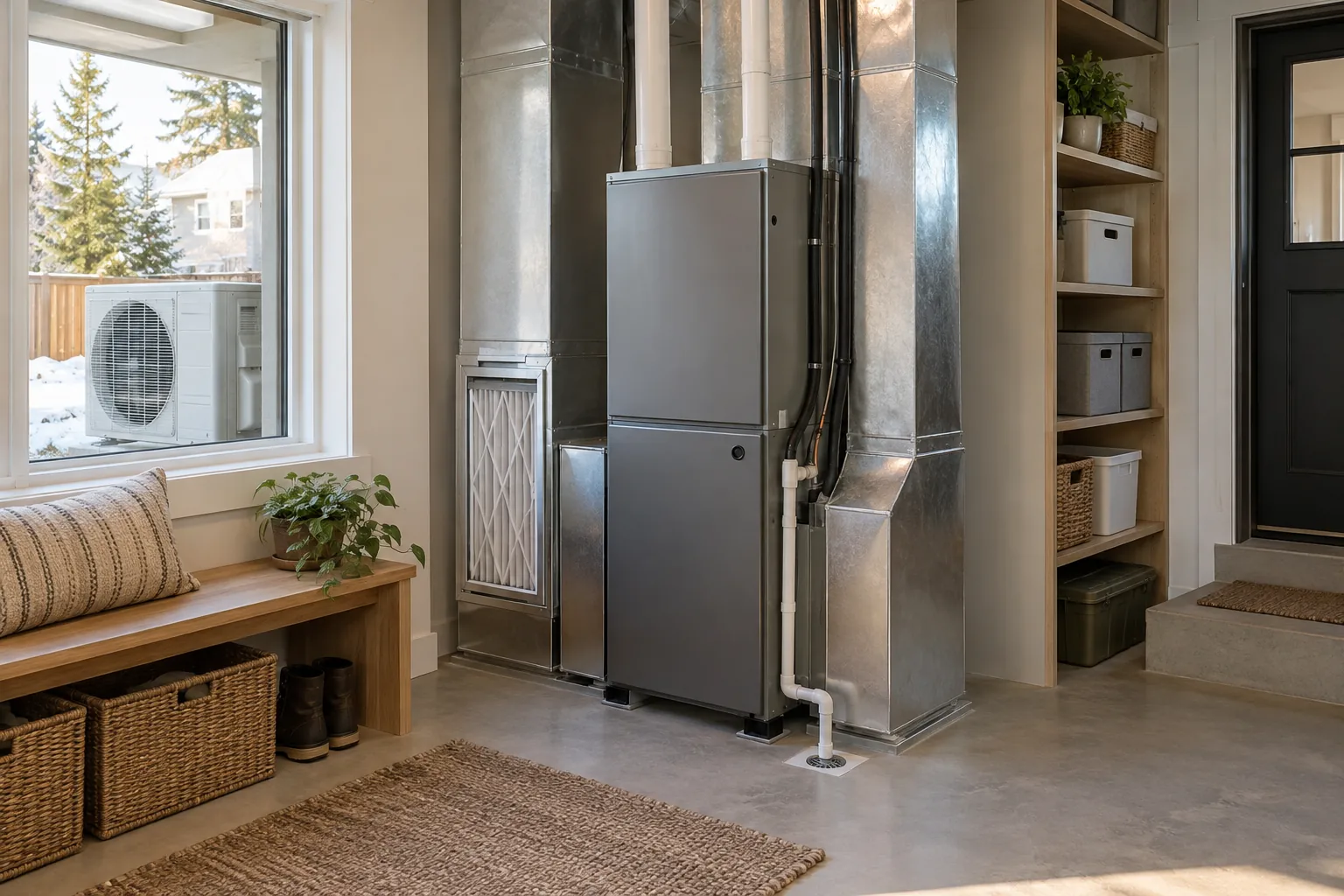
A focused room clearance should remove the agreed contents without letting the job spread into adjacent storage.
Resolve the important fit decisions
Mark the precise room and items, including anything fixed or shared with another space. Keep unresolved possessions separate from the collection zone. Ask for the proposed arrangement to be described before products, dates or connected work are committed. Photographs help establish the brief; concealed conditions may still need a visit.
Coordinate the surrounding work
Review furniture dimensions, door access and protection of retained surfaces. Identify any appliance, hazardous material or private record needing separate handling. Record what the quoted work assumes about the room and identify who will address a condition that falls outside those assumptions. That keeps the next step practical and comparable.
Define a useful finished result
Agree the condition the room will be left in and a check against the original item list. Send HAUSE the relevant measurements, accessible photographs and your preferred outcome. A focused enquiry gives the provider a better starting point for confirming scope, suitability and availability.
What shapes the scope?
- Item count and size
- Dismantling requirements
- Access and protection
- Destination and cleanup scope
What should be checked?
- Retained items remain
- Agreed contents removed
- Room handoff reviewed
Questions worth asking
Can more items be added on collection day?
Only through an agreed change process that confirms labour, vehicle space and destination requirements.
Does a clear-out include removing built-ins?
Not unless specified. Fixed cabinetry can involve concealed services and a separate selective-removal scope.
Bring the details together.
Add this service to My project. Tell HAUSE what you have, what you want to achieve and where the work is needed. A clearer brief makes it easier to discuss the right assessment, responsible trades and written scope.
Build my project brief ↗