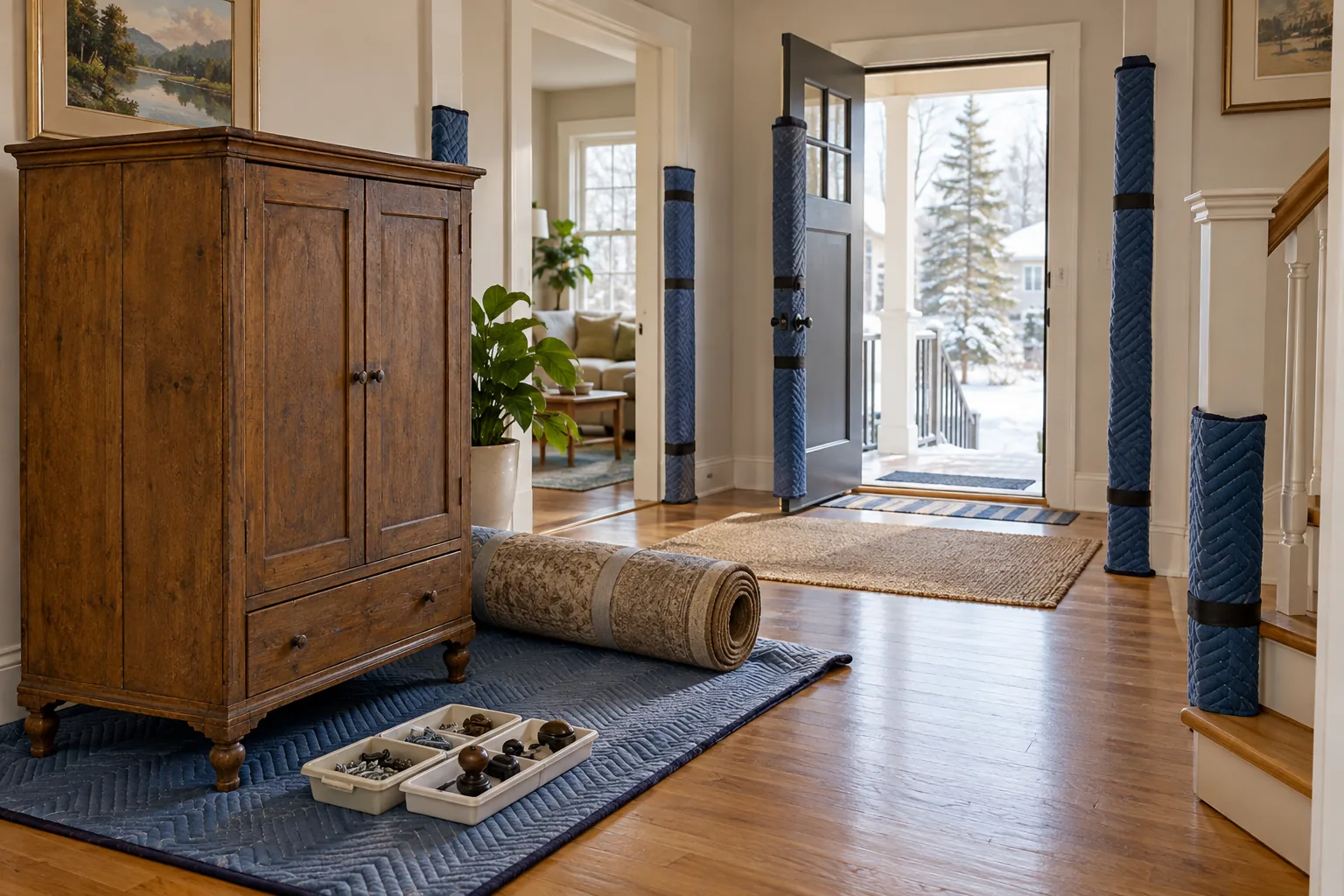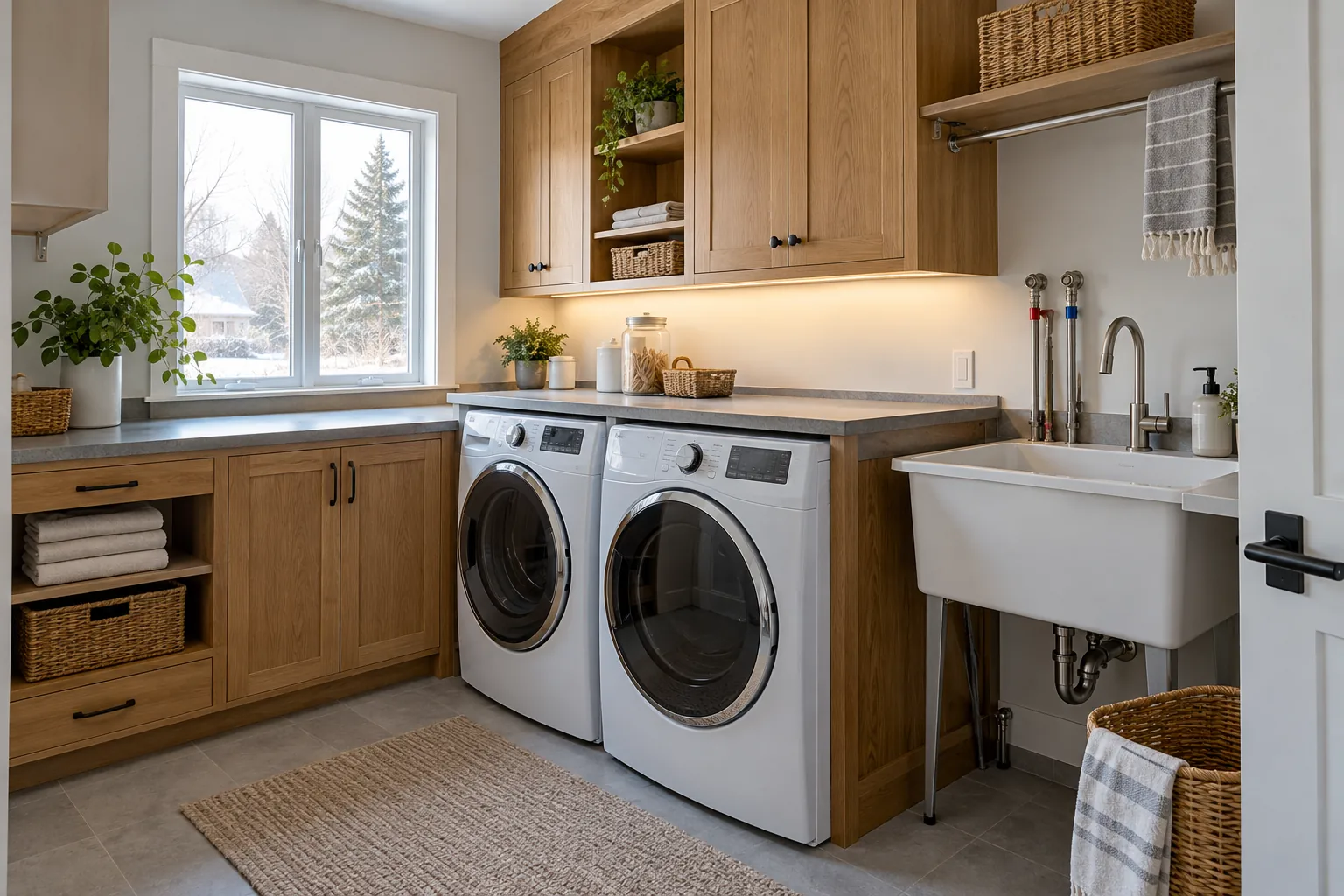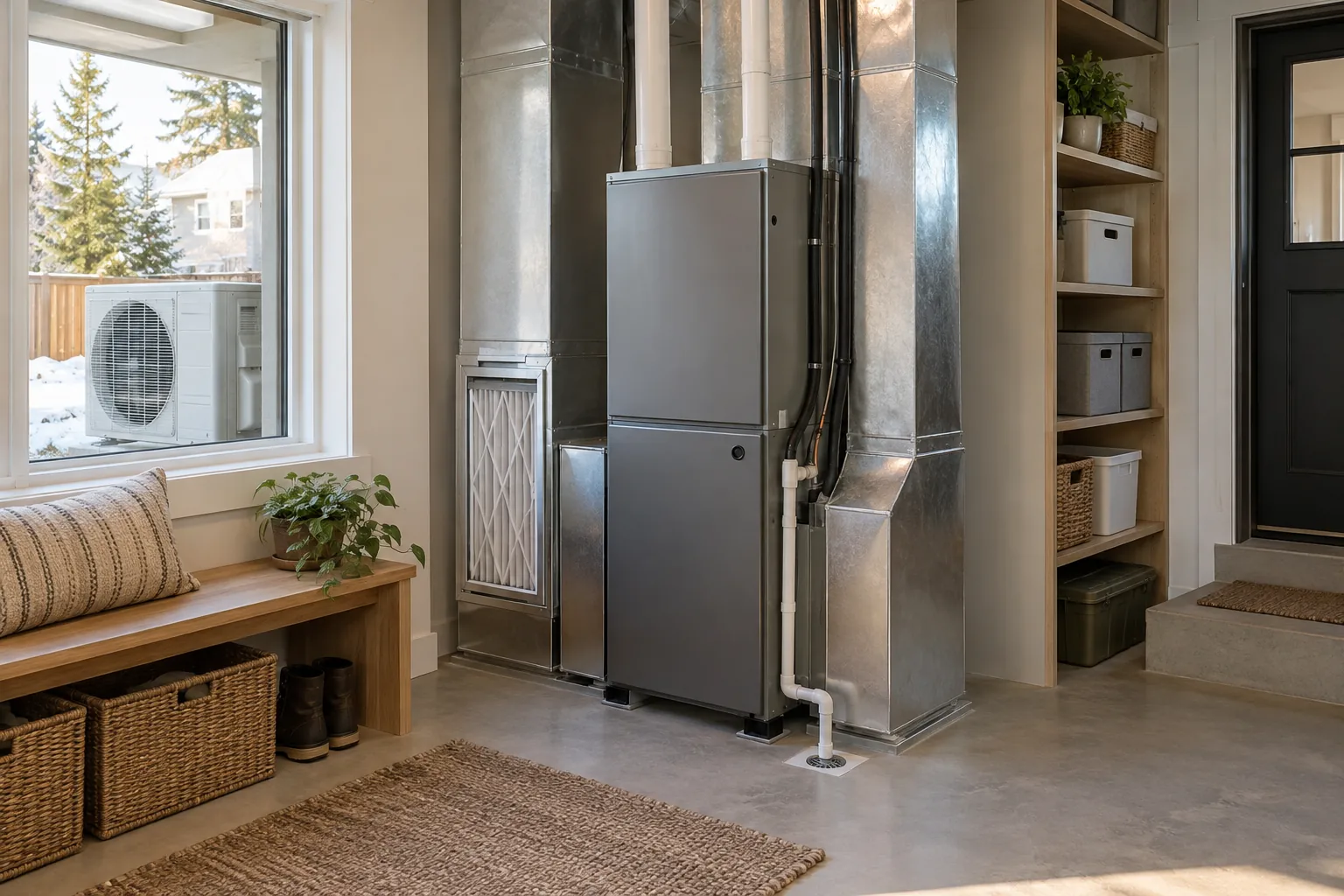
Appliance take-away begins after the connections and material-handling requirements are understood.
Define the exact removal boundary
Identify the exact equipment, fuel and connected components. A refrigerator may have water connections; a dryer may have gas and exhaust; an air-conditioning system can include refrigerant lines and indoor equipment beyond the visible unit. Record ownership, including rented or leased equipment that may need a return process rather than disposal.
Plan assessment, protection and access
Name the responsible trades and sequence. Gas, fixed wiring and refrigerant work need suitable qualified providers. Draining, isolation, safe termination and disconnection should be complete through the agreed process before hauling. Review stairs, mounting supports and nearby cabinetry. A compact appliance can still be heavy, awkward or attached to a larger retained system.
Leave a documented next step
Specify the condition left behind. The next provider needs to understand remaining outlets, pipes, vents, drains and mounting points. Record visible damage or unresolved moisture before it is covered. Cooling appliances need an accepting destination; Calgary’s guidance is an example of material-specific requirements, not a promise of identical charges or acceptance across Canada. Replacing owns renewal of the same function after take-away.
Apply the brief to the actual home
Arrange the next-stage timing directly with the relevant providers. A disconnected appliance can leave the household without heating, cooking or water, so continuity needs a deliberate plan rather than an assumed same-day replacement.
Details to bring into the conversation
- Do not move equipment assuming connections are free
- Confirm leased-equipment instructions
- Do not treat refrigerant appliances as unrestricted scrap