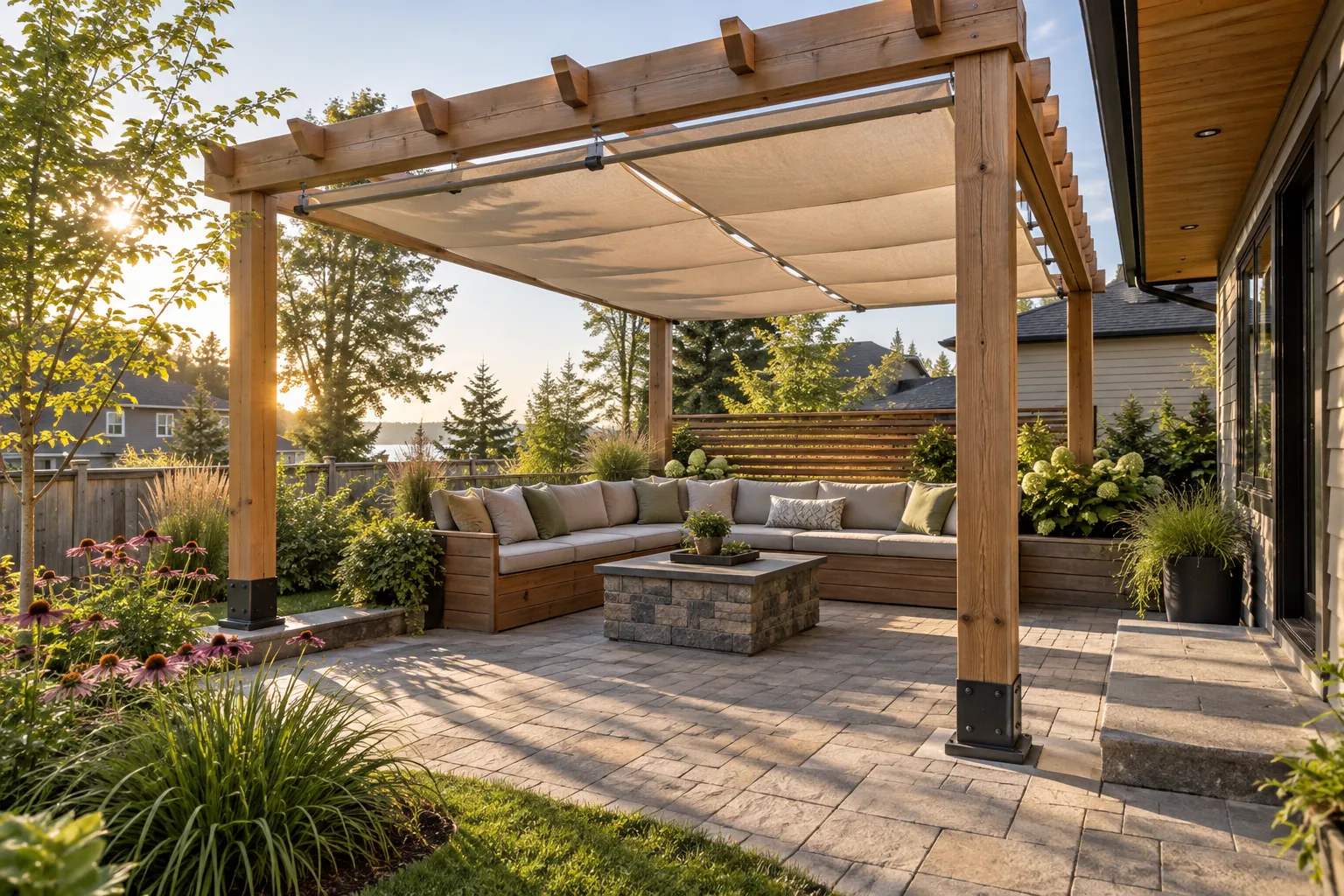
Landscape rock removal should be measured by area, depth and material, with machinery access understood.
Resolve the important fit decisions
Identify loose gravel, decorative stone or large individual rocks. State whether landscape fabric and edging are also removed. Ask for the proposed arrangement to be described before products, dates or connected work are committed. Photographs help establish the brief; concealed conditions may still need a visit.
Coordinate the surrounding work
Review vehicle or machine access, buried services and adjacent planting. Dense material can reach weight limits before it appears to fill a vehicle. Record what the quoted work assumes about the room and identify who will address a condition that falls outside those assumptions. That keeps the next step practical and comparable.
Define a useful finished result
Agree remaining soil or base condition, collected materials and any surface restoration. Send HAUSE the relevant measurements, accessible photographs and your preferred outcome. A focused enquiry gives the provider a better starting point for confirming scope, suitability and availability.
What shapes the scope?
- Rock type and depth
- Area and estimated weight
- Machine access and utilities
- Fabric, edging and destination
What should be checked?
- Removal depth reviewed
- Retained planting protected
- Base condition recorded
Questions worth asking
Is a cubic measure enough to quote the load?
It helps, but material density, access and handling also affect the proposal.
Does removal include replacing topsoil?
Only if separately defined. Taking away stone is distinct from rebuilding the landscape.
Bring the details together.
Add this service to My project. Tell HAUSE what you have, what you want to achieve and where the work is needed. A clearer brief makes it easier to discuss the right assessment, responsible trades and written scope.
Build my project brief ↗