Material assessment should establish what is being handled before a removal method or destination is chosen.
Define the exact removal boundary
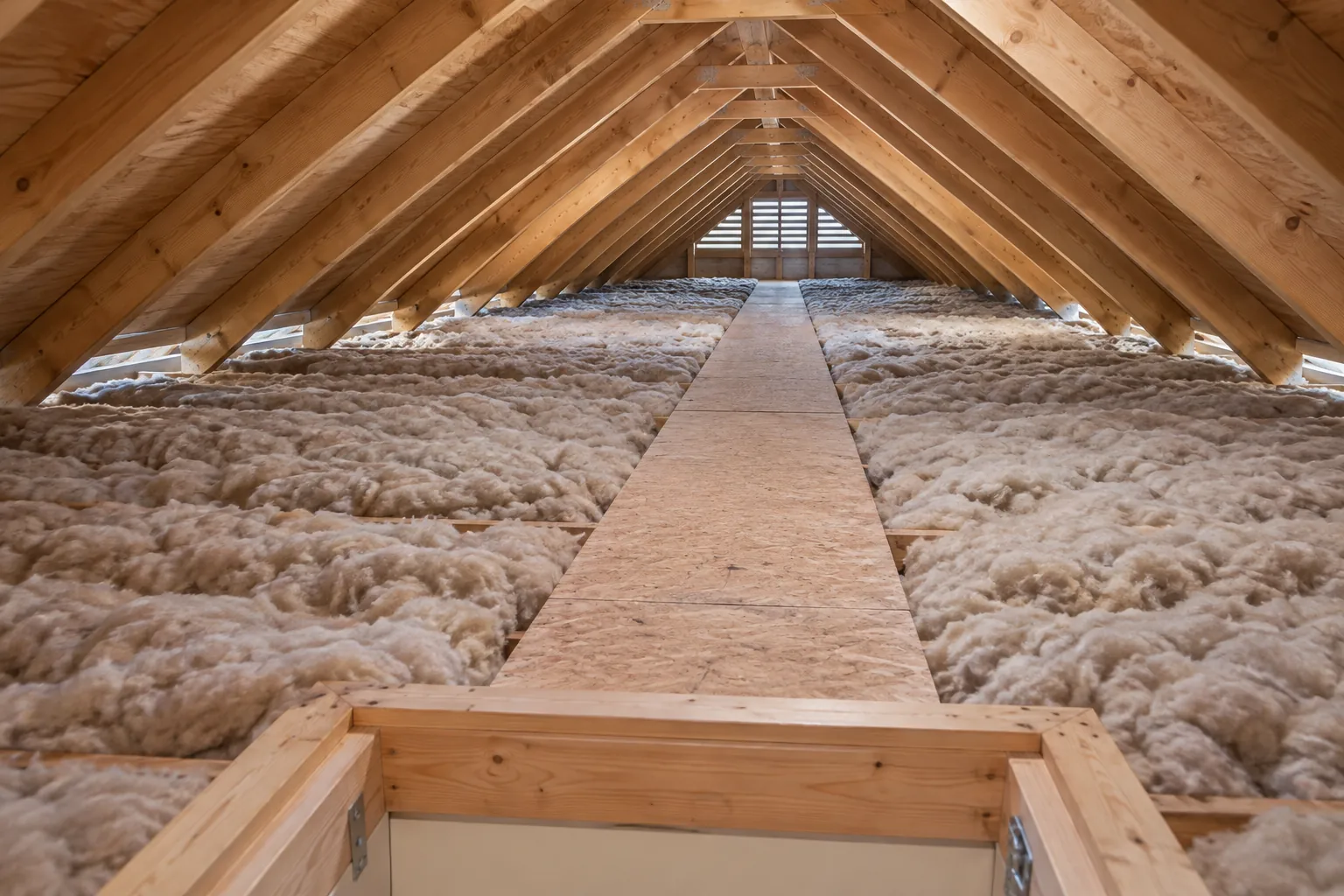
Provide known history, labels and existing test results without disturbing uncertain products. Asbestos, lead coatings, mould-affected items, insulation and household chemicals need different questions. Appearance alone does not establish safety. A professional assessment can recommend leaving an intact material alone, investigating further or arranging a specialist intervention depending on the actual condition and planned work.
Plan assessment, protection and access
Keep specialist handling distinct from ordinary hauling. Testing, containment, remediation, transport and disposal documentation can be separate responsibilities. Confirm the destination’s acceptance for the actual material and quantity, including commercial-hauler conditions where relevant. Do not conceal restricted items inside construction debris or assume a residential drop-off program automatically applies to a collection business.
Leave a documented next step
Ask for a useful completion record. The proposal should identify assessed materials, removal limits, relevant checks and what remains unresolved. For mould, coordinate correction of the moisture source; for electronics, establish data sanitisation before disposal. Removing takes away the agreed material. It does not by itself repair the building cause, certify every remaining surface or promise universal recycling.
Apply the brief to the actual home
Keep known test reports with the project record and ensure the proposed work addresses the actual sampled material. A report for one area should not be silently treated as proof about every unidentified layer.
Details to bring into the conversation
- Do not disturb material to obtain an informal sample
- Separate data sanitisation from electronic collection
- Avoid universal clean, safe or recycling guarantees