Selective strip-out should remove the right layers and leave the next trade a documented starting point.
Define the exact removal boundary
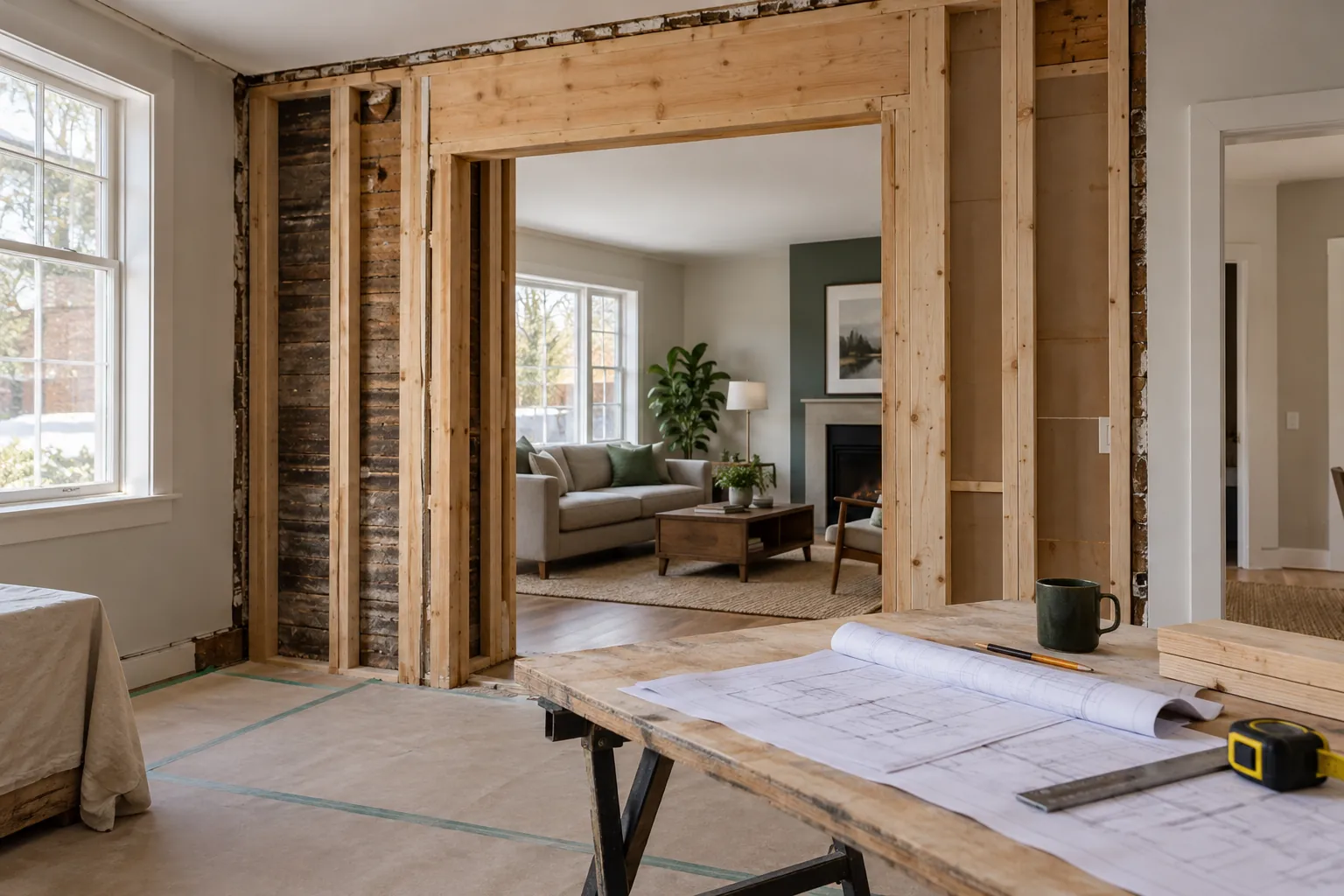
Draw or mark the boundary before removal. Cabinets, counters, tiles, backing, flooring and fixtures can support or connect to one another. Record what stays and whether salvage is intended. A wall’s appearance does not establish that it is non-structural, and a finish’s appearance does not establish its composition. Appropriate structural, service and material assessments belong before disturbance.
Plan assessment, protection and access
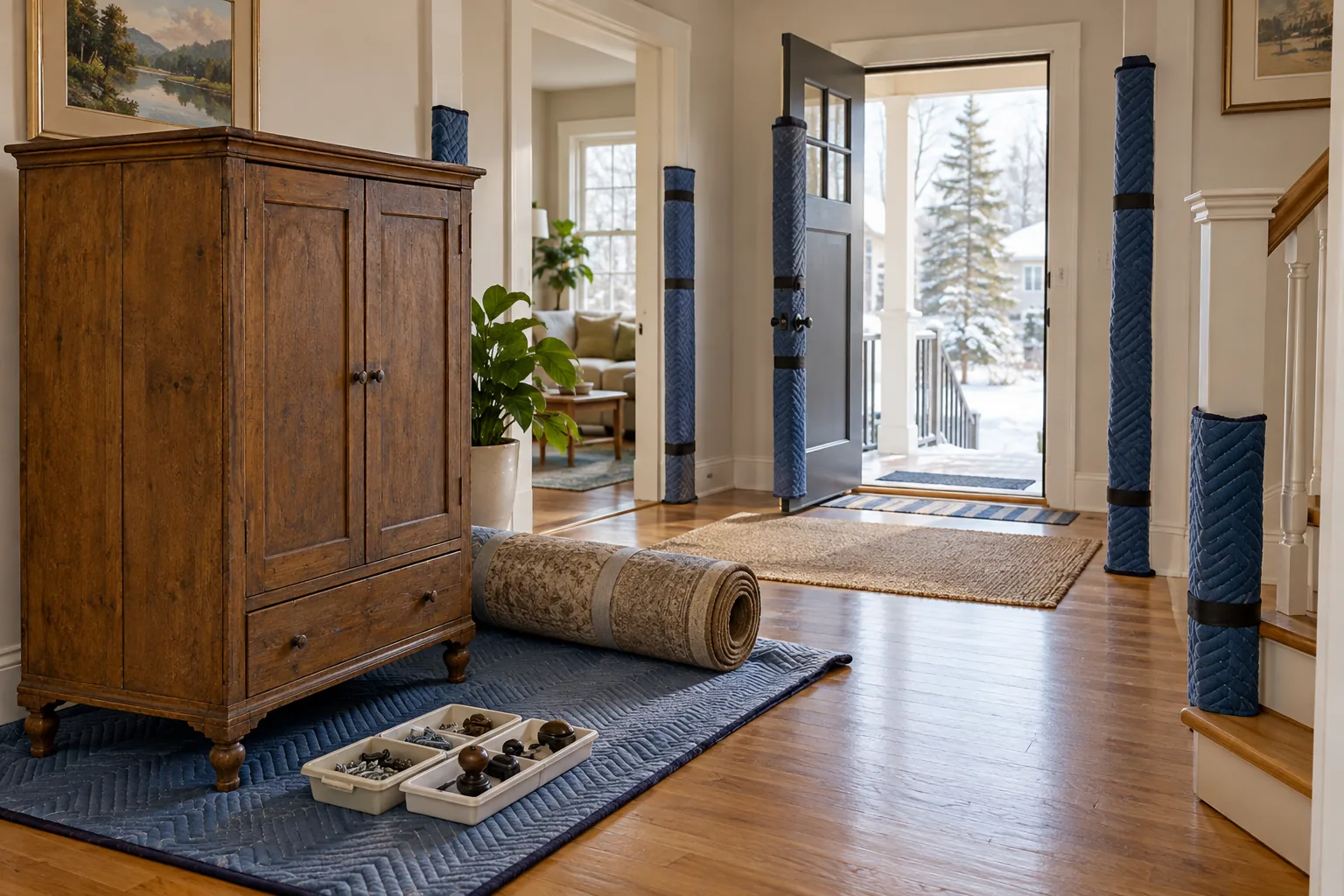
Agree protection, disconnection and the pause process. Occupied rooms and retained surfaces need a planned carrying and dust-control arrangement. Unknown materials, concealed damage or unexpected services should trigger documentation and a revised scope rather than unapproved expansion. Health Canada advises avoiding disturbance of suspected asbestos and arranging professional assessment; specialist remediation and ordinary debris hauling are different work.
Leave a documented next step
Define the stopping point precisely. A bare wall may still need backing repair, a stripped floor may need levelling and a removed fixture may leave a waterproofing assembly to renew. Record remaining fixings, residues, safe services and damage with photographs. The next Replacing or Upgrading provider should confirm the required condition before work starts, with Installing reserved for first provisions.
Apply the brief to the actual home
Use the next provider’s preparation requirements to choose the stopping point. It is easier to compare removal quotes when each one states the same layer and condition left behind.
Details to bring into the conversation
- Do not assume bare means installation-ready
- Assess suspected hazardous layers before disturbance
- Keep structural and utility decisions with suitable professionals